Most AI tools live in someone else's cloud and forget you the moment a session ends. Hermes Agent — an open-source project from Nous Research, released in February 2026 — inverts both assumptions, and the market noticed: it crossed 175,000 GitHub stars in under four months and has become the reference point for self-hosted AI agents. Here's what it actually is, stripped of the hype.
What Hermes is
Hermes is an autonomous AI agent that runs as a persistent service on infrastructure you control — a server in your office, a private cloud instance, even an air-gapped environment. It is MIT-licensed, sends no telemetry, and keeps all data on your machine. Three properties make it different from the chatbots your team already knows:
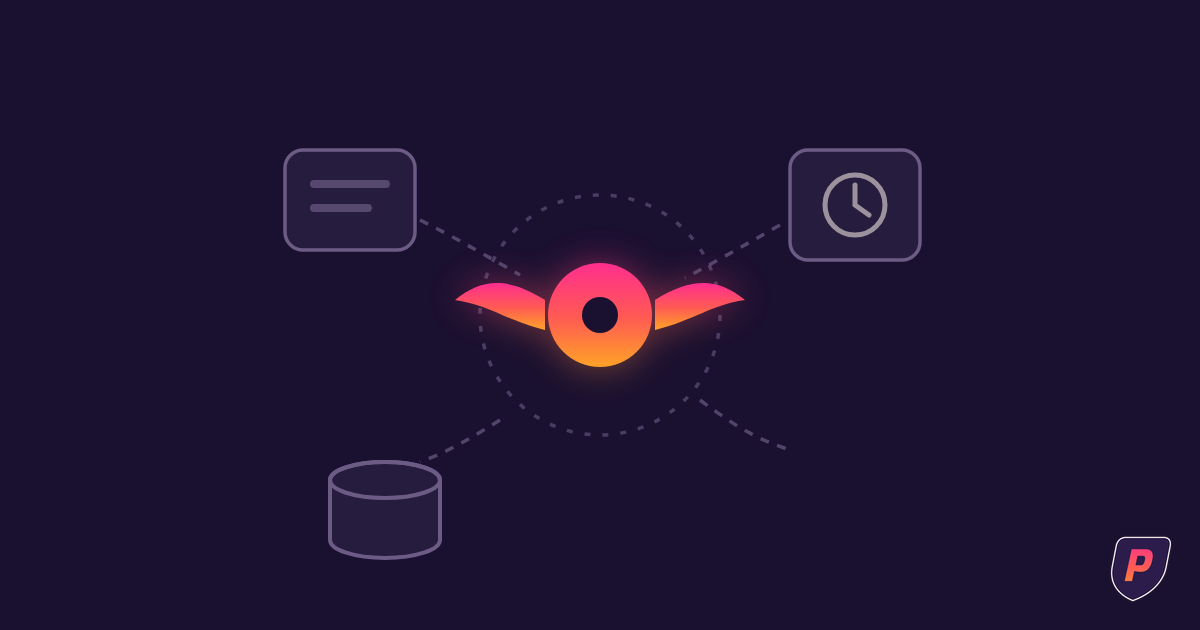
It remembers. Hermes accumulates memory across every session — your projects, your preferences, your context — and builds on it over time. A conversation you start today picks up where last month's left off.
It works while you don't. Hermes runs scheduled tasks on its own: the morning report that compiles itself, the weekly check that runs Sunday night, the monitoring job that pings you only when something's off. It reaches you where you already are — Telegram, Slack, WhatsApp, Discord, email, and a dozen other channels.
It teaches itself. Hermes writes reusable "skills" from its own experience: solve a problem once, and it documents the method for next time. The agent gets more capable the longer it runs in your environment — which is precisely why governance matters, more on that below.
The part that matters for the mid-market
Hermes is model-agnostic. It can call cloud providers when you want frontier capability — and it can run entirely against local models on your own hardware, with nothing leaving your network. Paired with an open-weight model, the combination is a full AI assistant stack that you own outright: the agent, the model, the memory, and the data, all inside your walls. That's the architecture we made the case for in running AI on your own hardware, with an autonomous layer on top.
The honest caveats
Hermes is powerful because it's autonomous — and autonomy is exactly what governance exists for. An agent that executes code, browses, remembers everything, and schedules its own work needs the same operational discipline as any production system: scoped permissions, sandboxed execution, monitored activity, and a written definition of what it may and may not touch. It's also a fast-moving open-source project — shipping major releases monthly — which is a strength for capability and a real maintenance commitment for whoever operates it. This is a tool for organizations with an operations function, not a set-and-forget appliance.
Where it fits
We think self-hosted agents are one of the most consequential developments of 2026 for privacy-sensitive businesses — and one of the least forgiving to deploy casually. Evaluating whether Hermes belongs in your environment is a scoping question: what workloads, which model behind it, what controls around it. That evaluation is part of an AI readiness assessment, and operating the result — patched, monitored, governed, reported monthly — is what Managed AI Operations does. Next in this series: what Hermes specifically offers the executive suite. Or book a briefing if you'd rather talk architecture than read about it.